AgNews, Article

Understanding Terroir and Its Significance in Coffee Production In Indonesia

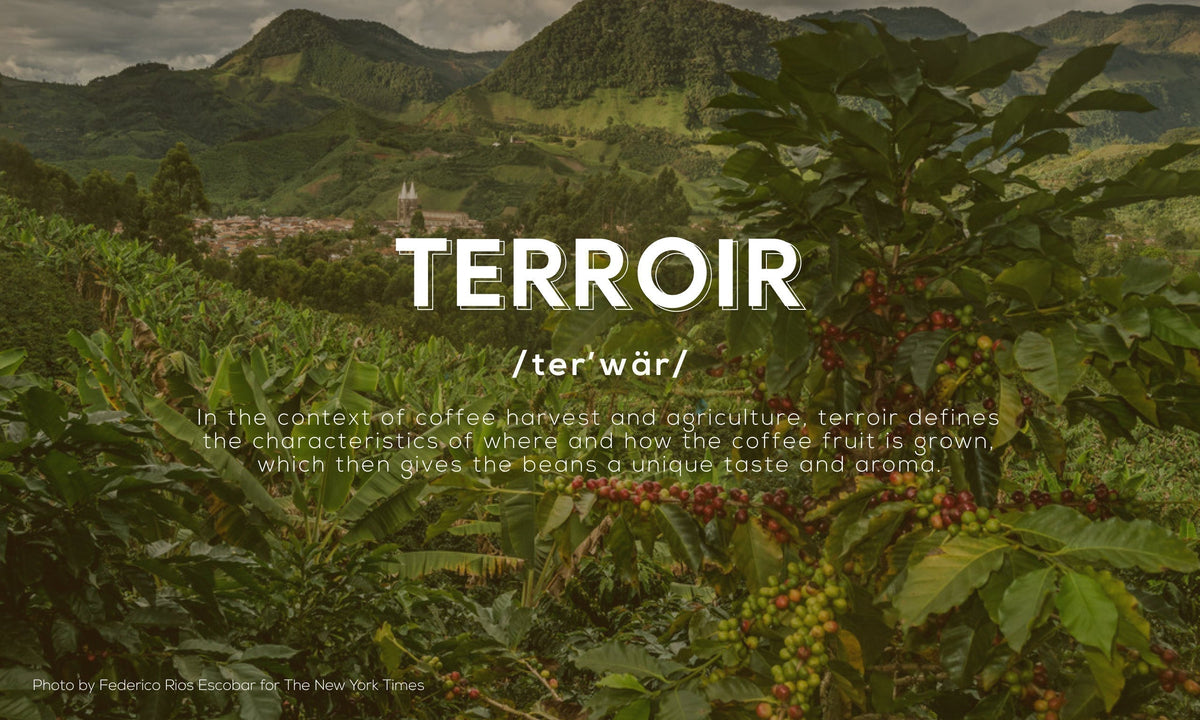
The word 'Terroir' displayed in elegant font over a scenic background of a lush coffee garden, featuring green coffee trees under soft natural light, representing the origin and environment that shape coffee flavor.

Terroir is a term borrowed from the wine industry that describes the unique combination of environmental factors influencing a crop’s growth and flavor. In coffee production, terroir is the key to why beans from different regions taste so distinct, even if they’re the same variety. This article explores what terroir means, why it’s significant in coffee, and how it shapes the diverse flavors of Indonesian single-origin coffees.

What is Terroir?

Terroir refers to the natural environment that shapes a coffee bean’s character. It includes several critical elements:

  • Soil Composition: The soil’s minerals, texture, and drainage affect flavor. Volcanic soils, for instance, are rich in nutrients and often produce complex, bold coffees.
  • Climate: Temperature, rainfall, humidity, and sunlight vary by region. High altitudes with cooler temperatures tend to yield bright, acidic coffees, while warmer, lower areas produce fuller-bodied ones.
  • Topography: The land’s elevation and slopes influence water flow and sun exposure, subtly altering the bean’s profile.
  • Local Ecosystem: Microorganisms in the soil and nearby plants contribute to the flavor, adding unique nuances.

Human influence, such as traditional farming and processing methods, also plays a role in terroir, blending culture with nature.

Why is Terroir Special in Coffee Production?

Terroir creates the individuality of each coffee. It explains why coffees from different regions have such distinct profiles:

  • Ethiopian Coffee: Floral and fruity, thanks to high altitudes and varied microclimates.
  • Brazilian Coffee: Nutty and chocolatey, shaped by lower altitudes and consistent weather.

For single-origin coffee lovers, terroir offers a taste of a region’s essence, making each cup a journey to its origin.

Terroir in Indonesian Single-Origin Coffee

Indonesia, with its diverse coffee-growing regions, is a perfect example of terroir at work. Each area produces beans with unique flavors, driven by its specific environment and traditions.

  • Sumatra: Famous for earthy, full-bodied coffees with notes of cedar or tobacco. Its rich volcanic soil and the traditional wet-hulling process, a method where the bean is hulled while still moist, create a heavy, complex cup.
  • Java: Known for cleaner, brighter coffees with hints of spice. Volcanic soil and higher altitudes give Java coffee a balanced flavor with subtle acidity.
  • Bali: Offers floral and fruity notes, thanks to a tropical climate with steady rainfall and humidity. This lush environment produces a vibrant, lighter coffee.
  • Sulawesi: Renowned for herbal and earthy tones, shaped by high altitudes and unique processing methods. The rugged terrain adds depth to its character.

Each province of Indonesia has a different microclimate, thus also have different taste in itself, for example, kintamani and tabanan coffee has slightly diffrent taste, and not to mention the technique usied in post-harvesting practice. The wet-hulling technique, especially prominent in Sumatra, sets Indonesian coffee apart. Combined with local climate and soil, it enhances terroir’s impact, creating flavors not found elsewhere.


Author

Muhammad Satrio

Member of Science & Technology department

Muhammad Satrio is a multidisciplinary professional with a background in Agroecotechnology and a strong interest in agribusiness, export management, and digital marketing. He has worked in both national and international companies, gaining valuable experience in multicultural environments. With hands-on involvement in social media strategy, translation, hospitality, and research in landscape design and biotechnology, Satrio is known for his adaptability, multilingual fluency, and familiarity with ISO standards. He thrives in dynamic roles that challenge him to grow beyond his comfort zone.